Some founders spend months, and even years, “cleaning up” the business in an effort to be ready for a transaction; and then, the initial transaction value falls short of expected levels, or worse, a buyer elects to re-trade the deal late in diligence.
Some founders stop investing in the business when a transaction is on the horizon, assuming they will not be rewarded for hires, equipment purchases or strategic initiatives that still need to happen. Other founders take actions that may negatively change a buyer’s risk calculations and do not actually affect price, structure or buyer conviction. And, finally, some founders take actions that can dramatically and positively influence transaction value.
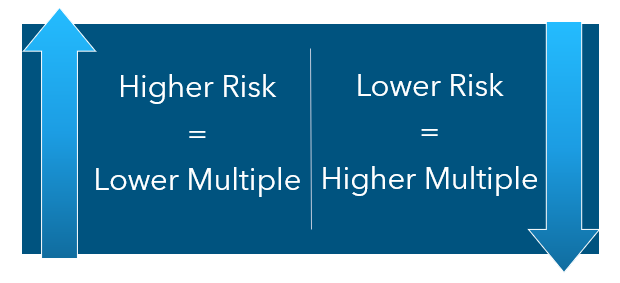
Transaction value is not a reward for effort. It’s putting a price on risk and confidence. So, founders looking to sell must separate the high-impact actions from the low-return busy work.
How Buyers Interpret Founder-Led Improvements and Efforts
Founders often focus on making the business look better in the time leading up to a sale, but in reality, buyers care more about how stable the business will be after a transaction.
Buyers treat last-minute improvements as fragile until proven over time, and the same improvement will be valued differently at 12 months vs. 6 weeks. Buyers are willing to pay more for a well-established infrastructure not reliant on the founder but will apply a discount to their valuation if it appears the relationships and/or processes are founder dependent.
Anything that requires a founder narrative and doesn’t have documentation and evidence becomes a point of potential contention. “Proof” (contracts, cohort data, audit trails, repeatable reporting, etc.) beats persuasion.
Ultimately, buyers may discount improvements if they are easy to reverse, hard to verify, or too new to trust their sustainability for the long term. They want to see a business that will still thrive in the long term without the founder’s involvement; so, sellers who truly want to make the business look good for a buyer should focus efforts on building a strong foundation and proving durability over time, instead of last-minute, vanity improvements.
Not all improvements add value, and knowing the difference is essential.

Effort That Often Feels Productive But Rarely Changes Outcomes
Some of the most time-consuming, pre-transaction work founders do won’t change how a buyer values the business.
Cosmetic process documentation is a common example that seems productive but may fall flat. Founders often assemble Standard Operating Procedures (SOPs) in the months leading up to a sale, but those materials rarely reflect how the business actually runs. A buyer will test them through interviews, data, and operating metrics, and if the documented process doesn’t match reality, the documentation can raise more questions than it answers.
Financial preparation can follow the same pattern. Many founders spend time trying to make financial statements look perfect instead of making them explainable. Buyers are looking for consistency, tie-outs, and a clear bridge for anomalies (not financial perfection).
Addbacks are another area where well-meaning effort can miss the mark. Over-optimizing adjustments can reduce trust and increase scrutiny. A smaller set of defensible adjustments creates more confidence. If there are items that rise to the level of an EBITDA adjustment, it may be better to eliminate them ahead of time, so the financial and operational results stand as reported. This often includes things like personal expenses that are run through the business.
Culture is often addressed at a surface level. Time is spent on how the organization looks rather than on what will last after a transaction. Buyers focus on whether key leaders will stay and whether customers will feel continuity. Optics without retention plans and coverage for key roles and relationships do not change that risk.
Actions like these can make a founder feel good about transitioning the company, but they have little to no effect on the value.
Actions That Reliably Influence Value (Because They Reduce Risk)
Improve Quality of Earnings Readiness
Making earnings defensible, not just higher, influences value. This includes cleaning up EBITDA normalization with documentation for one-time addbacks, owner compensation, and unusual items (or working these items out of the business so fewer or no addbacks are required). It also includes separating recurring margin from “heroic quarter” performance and having the company audited so third parties provide assurance over the reported numbers.

Defensible earnings reduce re-trade risk and support higher multiple confidence. Provide a buyer with a QoE-style schedule, consistent monthly close, and tie-outs to tax returns and bank activity. However, be aware that returns diminish when accounting policies are over-engineered and do not change the story or reduce questions.
Reduce Key-Person Risk
Many founders delay hiring when a transaction is approaching—whether to replace a departure, support growth or upgrade a weak link—because they assume they will not get credit for the investment. In reality, buyers often see the right hires as evidence that the business is being strengthened, not simply dressed up for sale. Identify activities only the founder can do today, (pricing approvals, largest customer renewals, critical vendor terms, etc.) and transfer those responsibilities to named leaders with a documented cadence. This directly affects transition risk, retention risk, and integration confidence.
Document this shift through an org chart with responsibilities, a customer coverage map, a delegated approval matrix, and a weekly operating rhythm. (Just be sure that your org chart matches real behavior.)
De-Risk Concentration (Customers, Suppliers, Talent, Lenders) With Specific Mitigations
De-risk concentration across customers, suppliers, talent, and lenders.
For top customers, focus on contract terms, renewal timelines, switching costs, account plans, and second-line relationships. Supplier coverage relies on alternatives, dual sourcing, inventory strategy, and terms stability. Leadership coverage requires retention plans, succession coverage, documented roles, and compensation aligned with desired results.
Concentration drives downside scenarios and shapes deal structure, including escrows, earnouts, and holdbacks. Support comes from renewal history, contract documentation, churn and gross retention, supplier contingency plans, and signed retention agreements.

Improve Working Capital And Cash Conversion In Ways That Survive Diligence
Make meaningful improvements to working capital and cash conversion. Normalize accounts receivable discipline, inventory turns, and payable policies without starving operations, and build a working capital story buyers can model around seasonality, growth, and backlog.
Working capital surprises are a top source of purchase price adjustments and post-LOI conflict. Buyers look at 12 to 24 months of trends, seasonality, and customer payment behavior to understand what is normal. A one-time end-of-quarter squeeze won’t stick because it reverses after closing.
Lock In Repeatable Revenue Evidence (Not Projections)
Locking in repeatable revenue evidence also influences value. Show where revenue comes from, how it renews, and whether pricing continues at the same levels, and then back it up with data on backlog, pipeline quality, close rates, and lead sources that are not founder dependent. Buyers discount forecasts, but they pay for proven recurrence.
You can demonstrate your stability through cohort retention, contract renewal rates, pricing realization history, and backlog aging. Even if a transaction is on the horizon, continue to strategize growth and execute on the strategic plan.
Remove “Deal Killers” Early
Remove deal killers early by addressing issues that can stop or disrupt a transaction, including tax compliance gaps, HR classification issues, environmental risk, lawsuits, customer contract assignability, customer conflicts, operational weaknesses (for example, if a founder has delayed equipment investment), pricing instability, and employee turnover.
These exposures create risk for the buyer. Buyers will look for evidence that these issues have been addressed through remediation documentation, legal or tax memos, compliance support, and clear contract terms. Be careful not to slip into cleanup of minor policy gaps while a larger unresolved issue remains and becomes the focus of diligence.

Learn more About Planning for the Sale of Your Business
Buyers will see a founder’s investment in improvements, growth and efficiencies. Sellers may worry that those investments will not be rewarded, but buyers often view them as evidence of a stronger, more durable business—and may value the company accordingly. But sellers must improve, and prove, what matters.
To learn more about preparing your business for a transaction, reach out to your Warren Averett advisor directly or ask a member of our team to contact you.
Back to Resources